
The PF940SC has earned a dedicated following among firearm hobbyists who value compact dimensions, modern ergonomics, and the flexibility to tailor components to their preferences. As a subcompact, Glock-compatible polymer frame concept, it speaks to builders who appreciate improved grip geometry, texture, and accessory compatibility in a platform sized for discreet carry and efficient range sessions. While the appeal is clear—lightweight construction, familiar controls, and broad parts availability—responsible owners understand that every component choice should be guided by safety, quality, and adherence to all applicable laws. Before considering any parts purchase or build plan, it is essential to confirm federal, state, and local requirements where you live, as rules can change and differ widely. With that foundation, the PF940SC stands out as a refined approach to subcompact handling, offering a foundation for a personalized, compliant, and high-quality pistol project.
Design, Compatibility, and Ergonomics That Define the PF940SC
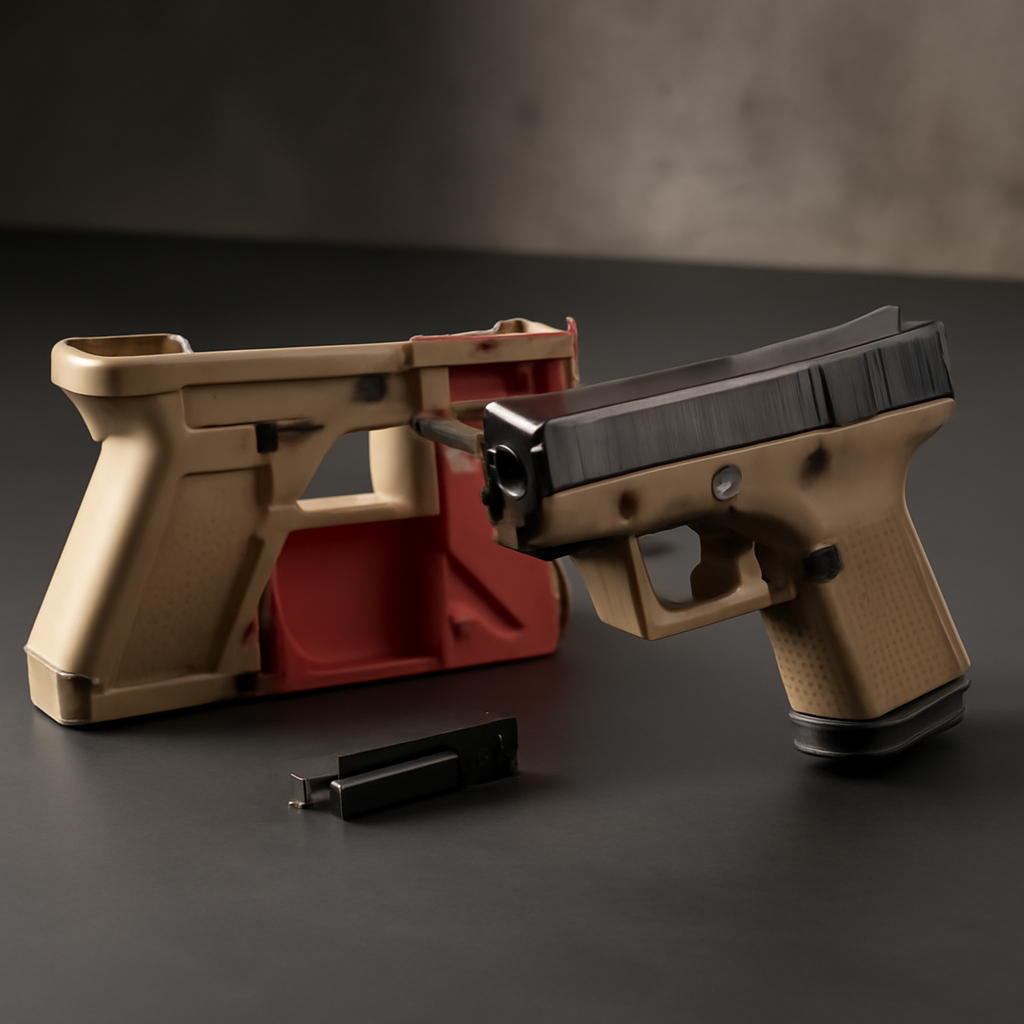
At its core, the PF940SC concept centers on a subcompact footprint compatible with popular Glock 26/27–style configurations, making it attractive to users who value smaller dimensions without sacrificing familiar ergonomics. The polymer frame material helps keep weight down, and the grip profile typically includes enhancements many shooters prefer over legacy factory lines, such as more aggressive texturing at key contact points, a high beavertail to promote a higher purchase on the backstrap, and an undercut trigger guard that can reduce knuckle abrasion during extended sessions. These shaping cues can contribute to faster, more confident recoil control—especially important on shorter slide and barrel setups common to subcompact formats.
Compatibility is another reason the PF940SC platform remains popular among enthusiasts. The design aims to accept standard subcompact slide assemblies, barrels, and small parts in the same general family, enabling a measured, component-by-component approach to building a cohesive pistol. Many appreciate being able to choose a slide profile, sighting system, and control set that aligns with their training style and intended use. The accessory rail space—typically more limited on subcompacts than on larger formats—still offers options for compact weapon lights or laser modules designed specifically for short-dust-cover frames, adding flexibility for users who practice low-light drills at supervised ranges.
Ergonomics are where the PF940SC frame truly distinguishes itself for many shooters. Its grip texture can aid in traction without overwhelming comfort, which is valuable when training barehanded or with thin gloves. Subcompact magazines can make reloads trickier for larger hands, but the frame’s geometry often helps mitigate that by encouraging a consistent, high grip. Experienced owners frequently point to the platform’s controllability relative to its size as a key advantage—something that shows up in split times and shot-to-shot consistency. For anyone considering parts purchases, reviewing reputable sources, fit notes, and product descriptions is essential to confirm the intended compatibility set. For an overview of product categories and current availability, many builders begin their research with the pf940sc page to explore relevant components and specifications.
Safety, Responsibility, and Legal Considerations for Subcompact Polymer Builds
Interest in the PF940SC goes hand-in-hand with a serious commitment to safe handling, secure storage, and legal compliance. Regulations related to unfinished frames, parts transfers, and serialization can vary significantly across jurisdictions and may change over time. Responsible buyers confirm requirements before any purchase, including whether background checks, dealer transfers, or serialization are mandated in their area. Some states or municipalities maintain additional restrictions or recordkeeping practices that go beyond federal standards. Because the legal landscape can be complex, it’s wise to review official guidance or consult qualified counsel when questions arise. The goal is to ensure that every component in a project—and every step in the procurement process—remains lawful and fully documented where required.
Safety practices are just as important as compliance. Subcompact platforms like the PF940SC demand disciplined trigger-finger management and muzzle awareness—habits that should be reinforced during every range visit. Maintaining a clean, reliable pistol also depends on using quality components from reputable sources and on inspecting parts for proper fit as permitted by local law. Safe transport and storage should reflect your region’s statutes and best practices, including the use of locked containers and secure storage to prevent unauthorized access. Many owners implement regular maintenance schedules, replacing wear items at conservative intervals and logging round counts to track performance trends, all of which supports function testing and overall reliability.
When evaluating parts, consider documented manufacturer tolerances, return and warranty policies, and the availability of customer support. Components that appear to undercut market pricing drastically may signal inconsistencies or counterfeiting—both of which can compromise safety and performance. Enthusiasts often prefer to source slides, barrels, and small parts with proven records in subcompact, Glock-compatible ecosystems, paying particular attention to coatings, metallurgy, and heat treatment standards. When in doubt, err on the side of caution by choosing vetted brands and verified retailers. The bottom line: whether you are selecting a frame, slide, or accessories, safety and lawful ownership come first—and they remain central to every responsible build plan associated with the PF940SC format.
Customization Paths, Quality Part Selection, and Real-World Scenarios With the PF940SC
For many enthusiasts, the attraction of the PF940SC framework lies in tailoring the pistol to a specific role. A common path is to configure a compact, range-focused setup with robust sights, a quality drop-in trigger from a reputable maker, and a slide assembly known for reliable cycling with standard-pressure ammunition. Others prioritize concealed-carry dimensions and snag-resistant profiles, pairing a short slide with low-profile sights and a compact light compatible with the subcompact rail section. Even within the same general configuration, choices like recoil spring weights, slide mass, and barrel profiles can influence the feel of the gun under recoil. It’s wise to make changes incrementally, validate performance at the range, and keep notes to identify what genuinely improves function and shootability.
Real-world examples highlight the platform’s flexibility. Consider a shooter with smaller hands who struggles to achieve a secure grip on certain subcompact factory frames. By starting with a PF940SC-format frame that emphasizes a high beavertail and well-placed texture, that user can experience noticeably better recoil management and faster reacquisition of sights. Alternatively, a range-focused builder might select a slick-coated slide, high-visibility sights, and an optic-ready configuration tailored to close-to-midrange drills. Across scenarios, the common thread is quality control: trusted parts, conservative tuning choices, and consistent test protocols. Because subcompact timing can be sensitive, it pays to choose components known to function well together, then confirm reliability with multiple ammunition brands under supervised range conditions.
Support resources also matter. Shoppers benefit from clear product categorization, secure checkout, reasonable shipping times, and transparent return processes—particularly important when sourcing multiple small parts. Reading product reviews, comparing specifications, and contacting customer support can help verify compatibility details and avoid mismatches that might affect performance. It’s equally important to avoid any guidance or actions that would violate laws or undermine safety. If you’re unsure about a component or its legal status in your area, pause and investigate further before proceeding. Enthusiasts who treat the PF940SC platform as a foundation for responsible, incremental customization—and who prioritize lawful sourcing, safe handling, and quality parts—tend to see the best long-term results in both reliability and performance.

Seattle UX researcher now documenting Arctic climate change from Tromsø. Val reviews VR meditation apps, aurora-photography gear, and coffee-bean genetics. She ice-swims for fun and knits wifi-enabled mittens to monitor hand warmth.