
Why Hyaluronic Acid Serum Belongs in Every Routine
When skin looks dull, tight, or lined, it’s often a sign of dehydration rather than a lack of oil. Enter the power of a dedicated hyaluronic acid serum. This moisture-binding molecule can attract and hold up to 1,000 times its weight in water, helping the complexion look immediately plumper, smoother, and more supple. A well-formulated hyaluronic acid serum for face becomes the hydration backbone of any routine, supporting a strong skin barrier and delivering that fresh, dewy glow many call “glass skin.”
Not all hyaluronic acid is the same. Different molecular weights play distinct roles. High molecular weight versions sit closer to the surface, forming a breathable film that visibly smooths texture and helps reduce transepidermal water loss. Low molecular weight and ultra-low varieties can dive a bit deeper to visibly fill out fine lines from within the upper layers of the skin. Many modern serums use a blend of sizes or sodium hyaluronate (a salt form prized for stability and easy absorption) for a multi-level hydration effect you can see and feel.
Hydration benefits all skin types. If your skin is oily, a lightweight water-based serum can replenish moisture without adding heaviness, helping balance excess oil production over time. If your skin is dry or mature, hyaluronic acid’s humectant properties amplify comfort and elasticity. Sensitive complexions appreciate that gentle, fragrance-free formulas reduce the risk of reactivity while boosting resilience. Even the look of fine lines and a crepey under-eye area can soften when skin is well hydrated, because a plump surface reflects light more evenly.
Formulation quality matters. Look for a minimal-ingredient, paraben-free serum without dyes or artificial fragrance, and seek brands that emphasize responsible sourcing, cruelty-free practices, and thoughtful packaging. A straightforward formula allows hyaluronic acid to do what it does best—draw in water and keep it there—without extra irritants getting in the way. For an easy way to experience these benefits, explore a targeted Hyaluronic Acid Serum For Face that’s crafted to deliver potent hydration with a clean, simple ingredient list.
How to Use Hyaluronic Acid Serum for Maximum Results
Technique can make the difference between “pretty good” and “seriously glowing.” After cleansing, apply your hyaluronic acid serum to damp skin to supercharge its water-binding action. If your skin isn’t damp, spritz a hydrating mist first, then smooth on 2–4 drops across the face, neck, and even the chest. Pressing with your palms helps distribute the product evenly and encourages a plump, bouncy finish. Follow with a moisturizer to “seal” the hydration, then apply SPF 30+ in the morning. This final step preserves your results and protects your barrier from environmental stress.
Consider climate and environment. In humid conditions, hyaluronic acid draws ambient moisture into the skin easily. In very dry climates or during winter heating and office air conditioning, layer it with an emollient-occlusive moisturizer to prevent the serum from pulling water from deeper layers. Think of it as a hydration sandwich: cleanse, mist, hyaluronic acid, moisturizer. If your skin is extremely parched, add a ceramide-rich cream on top to reduce water loss throughout the day.
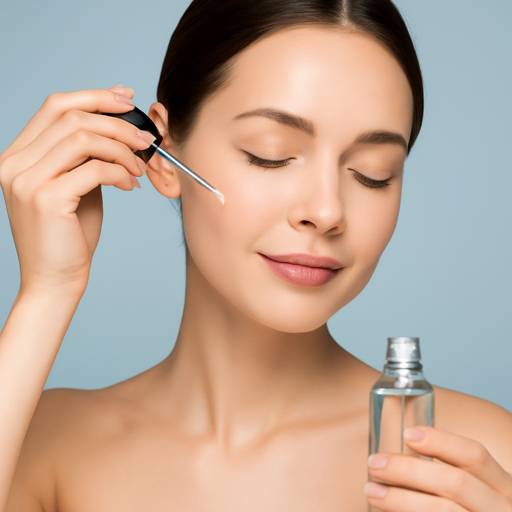
Pairing with actives is straightforward. Hyaluronic acid harmonizes well with vitamin C serums in the morning—use vitamin C first on clean skin, then layer your hydrating serum. At night, after retinol or AHA/BHA treatments, applying a hyaluronic acid serum can help minimize tightness and the appearance of flaking. If pilling occurs, you may be using too much product or layering too quickly; reduce the amount to a few drops and allow 30–60 seconds between steps. Makeup sits beautifully over a well-hydrated base, so use your serum before primer or choose a moisturizer-primer hybrid after your serum for extra smoothness.
Real-world scenarios highlight its versatility. After a long flight, a quick cleanse followed by hyaluronic acid and a nourishing cream helps restore comfort and bounce. Post-workout, it can calm tightness without clogging pores. For sensitive or easily flushed skin, the serum’s gentle, water-first profile offers soothing moisture without the burn of fragrance. Men find it soothing after shaving because it replenishes hydration without residue. As routines evolve with seasons—lighter layers in summer, richer creams in winter—this hydrating step remains constant, flexing with your skin’s needs while keeping the moisture barrier happy.
Choosing a Clean, Effective Hyaluronic Acid Serum
A great serum is more than a trendy label—it’s thoughtful chemistry. Scan the ingredient list for sodium hyaluronate or “hyaluronic acid,” ideally in a formula that includes complementary humectants like glycerin, panthenol (vitamin B5), aloe, or betaine. These co-hydrators create a more robust water network in the upper layers of the skin for longer-lasting plumpness. Supportive lipids and ceramides are helpful in your moisturizer step, but in a serum, simplicity often shines—fewer fillers can mean better performance and lower risk of irritation.
Concentration claims can be confusing. You’ll commonly see 0.2–2% sodium hyaluronate; higher isn’t necessarily better. Extremely high percentages can feel tacky or actually draw water too quickly without the proper balance of co-humectants and emollients. Multi-weight complexes are useful because they address both surface smoothness and deeper hydration. Packaging matters too: opaque or amber containers and air-limiting dispensers help protect formula integrity. A clean, water-based texture that sinks in fast, leaves no film, and layers seamlessly with sunscreen is a good sign of smart formulation.
Skin-kind standards reflect quality. Seek serums that are paraben-free, free of artificial dyes or added fragrance, and never tested on animals. Products made with care in the USA can signal transparent sourcing and manufacturing oversight. Sensitive, acne-prone, oily, combination, and mature skin types all benefit from this gentle category, but patch testing is wise if your skin is reactive. Avoid drying alcohols high on the ingredient list and heavy perfumes that can disrupt the barrier you’re trying to strengthen.
Value is measured in results and consistency. A straightforward, cruelty-free formula that you’ll reach for daily will outperform a complex cocktail you abandon after a week. Think in terms of synergy: a hydrating serum plus a barrier-supporting moisturizer and daily SPF creates a stable environment where skin can thrive. Over time, expect a more even look to fine lines, less visible flakiness, and a healthier bounce—hallmarks of a well-hydrated, resilient complexion supported by a high-quality hyaluronic acid serum used the right way.

Seattle UX researcher now documenting Arctic climate change from Tromsø. Val reviews VR meditation apps, aurora-photography gear, and coffee-bean genetics. She ice-swims for fun and knits wifi-enabled mittens to monitor hand warmth.