
Why Cedar Park Roofs Need Special Attention: Climate, Materials, and Building Standards
Central Texas is beautiful, but the weather can be punishing on a roof. In Cedar Park, intense sun, triple‑digit summers, spring hail, and sudden wind events put every system to the test. That’s why roofing companies Cedar Park homeowners and facilities managers rely on take a climate‑first approach—matching materials, installation methods, and maintenance to local conditions. From the Hill Country’s afternoon heat to fast‑moving thunderstorms along the 183 corridor, a resilient roof isn’t just a nice‑to‑have; it’s a necessity for protecting interiors, curb appeal, and long‑term property value.
Material choice is the first big decision. Many residences use architectural asphalt shingles, but in Cedar Park, impact‑rated options (Class 3 or Class 4) often make sense to resist hail bruising and granule loss. For even higher durability and energy savings, metal roofing—especially standing seam with reflective finishes—helps shed heat and deliver long service life with minimal maintenance. Tile and premium composites can also work here, but the installer must account for weight, ventilation, and flashing details at ridges, hips, chimneys, and skylights to ensure code compliance and weather resistance.
Commercial and industrial properties frequently rely on flat roofing systems like TPO or modified bitumen. In Cedar Park’s sun, UV stability, heat‑welded seams, and proper drainage are key. Ponding water after a storm accelerates wear, so capable roofers design tapered insulation, scuppers, and crickets to move water efficiently. They also specify robust membranes that stand up to thermal expansion and contraction cycles common in the Austin Metro area—where temperatures can swing widely across a single day.
Under the surface, details matter. Synthetic underlayments, ice‑and‑water barriers in valleys and around penetrations, and corrosion‑resistant fasteners provide hidden strength during wind and hail. Attic ventilation and intake/exhaust balance help keep shingles cooler, protecting against premature aging in the Texas heat. Local pros also navigate Williamson County permitting and neighborhood association guidelines, ensuring a project meets standards while preserving the aesthetic of communities across Cedar Park, Leander, Round Rock, and Georgetown. The result is a system that’s engineered for local weather, not just installed to minimum code.
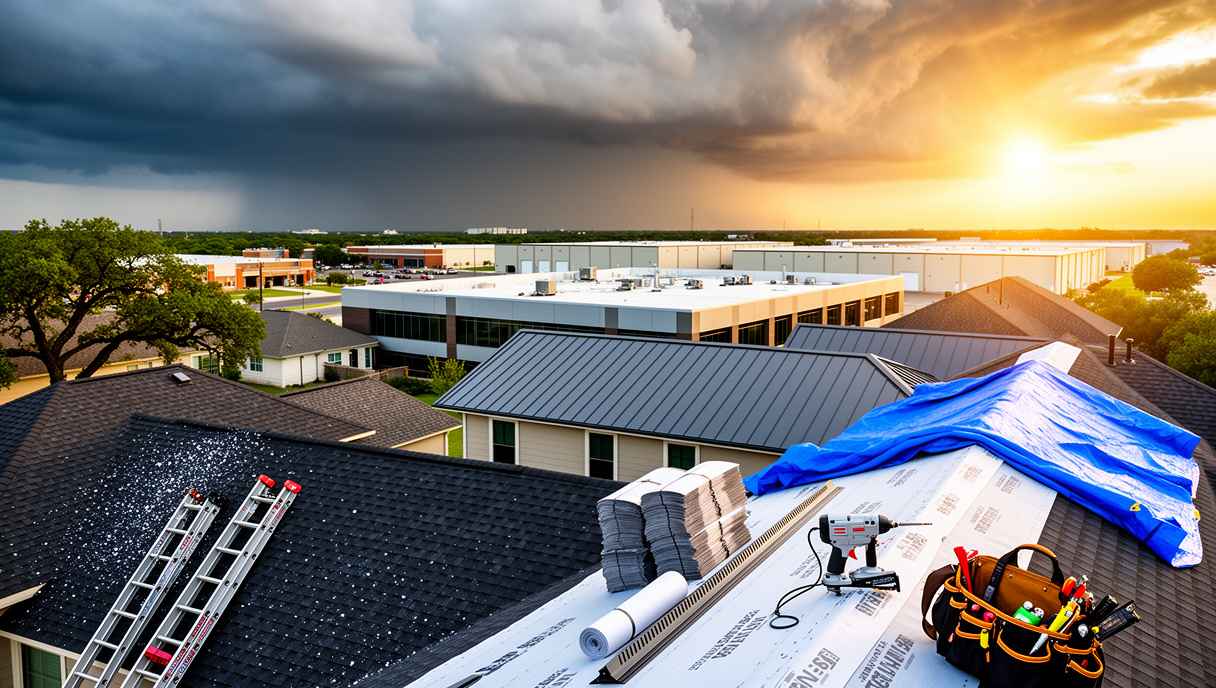
Services Top Roofing Companies in Cedar Park Provide—and How They Protect Your Investment
Reliable roof installation begins with a detailed assessment. Trusted contractors document the current condition, identify aging components, and recommend a material and assembly that fit your budget, design goals, and energy targets. For new builds and additions, they coordinate with builders and trades to set substrate, flashing, and ventilation right the first time—reducing callbacks and ensuring warranty coverage. For replacements, they manage tear‑off, disposal, deck repairs, and upgrades like impact‑rated shingles or reflective metal roofing that can lower attic temperatures and help HVAC performance.
On the repair side, prompt action is everything. Cedar Park storms can drive rain under compromised flashing or lift shingles along eaves and rakes. The best contractors offer emergency roofing support—tarping, temporary dry‑ins, and fast leak isolation—to protect interiors until a permanent fix is scheduled. From resealing penetrations to replacing damaged slopes, targeted roof repair can add years of service life when performed by attentive crews who understand local storm patterns and common weak points like ridge vents, plumbing boots, and valley transitions.
For businesses and industrial facilities, specialized crews handle flat roofing systems with heat‑welded seams, custom edge metal, and rooftop equipment coordination. They plan around operational schedules, maintain safety perimeters, and stage materials to minimize downtime. Preventive programs are particularly valuable: periodic inspections, debris removal, seam checks, and drain clearing keep membranes tight and avert costly interior disruptions. In Cedar Park’s dust and pollen seasons, keeping gutters and scuppers flowing is a small service that pays big dividends in reduced ponding and leaks.
Ongoing care is where value compounds. Many homeowners and property managers enroll in maintenance plans to catch small issues before they escalate—loose flashing, popped fasteners, cracked sealant, or hail hits that aren’t yet leaking. After severe weather, post‑storm assessments document conditions with photos, highlight urgent repairs, and prioritize budgets. For vetted local pros and practical insights into choosing the right team, see Roofing companies cedar park. Whether you’re comparing materials, planning a replacement, or addressing storm damage, a responsive contractor who understands Cedar Park’s weather profile and building norms will safeguard your property and peace of mind.
Local Scenarios and Real‑World Examples: What Works in Cedar Park
Consider a spring hailstorm sweeping across neighborhoods like Carriage Hills and Anderson Mill West. The morning after, shingles may look intact from the street, but close inspection reveals bruising, lost granules in gutters, and minor fractures around ridge caps. Skilled roofing companies Cedar Park residents trust don’t rush to full replacement; they document the pattern and severity, compare slopes, and recommend repairs or replacement only when impact damage shortens lifespan or threatens watertightness. If a replacement is warranted, upgrading to Class 4 shingles or transitioning to standing seam metal can provide better resilience for the next round of storms.
On Whitestone Boulevard or near 183A, commercial roofs face a different challenge: heat and drainage. A logistics warehouse with a weathered TPO membrane might show seam fatigue and ponding near rooftop units. A targeted recovery, adding tapered insulation to correct water flow and installing a new reflective membrane, improves durability and reduces cooling loads. Crews coordinate with facility managers to stage work zones, protect inventory, and keep operations online—demonstrating that local expertise isn’t just about materials, but also about scheduling, safety, and business continuity.
Residential maintenance is equally local. Homes tucked under heritage oaks in Cedar Park often collect debris in valleys and behind chimneys. Left alone, this traps moisture and accelerates granule loss. A seasonal roof inspection and cleanout clears leaves, checks flashing, and reseals critical transitions. Over time, this routine can delay replacement and minimize surprise leaks during those intense, short bursts of rain that mark Central Texas storms. Pair that with balanced attic ventilation and lighter‑colored shingles or metal, and you’ll improve both durability and interior comfort.
Energy performance is top‑of‑mind in the Texas heat. A hill‑country‑modern home switching from dark 3‑tab shingles to reflective metal can see lower attic temperatures and more stable indoor comfort, especially when paired with high‑temperature underlayments and ridge ventilation. Concerns about “metal roof noise” are often overblown; with proper decking and underlayment, sound is dampened effectively. For homeowners weighing options, reputable contractors provide side‑by‑side comparisons, explain local code requirements in Williamson County, and outline lifecycle costs—not just initial price. That clarity helps property owners in Cedar Park, Round Rock, Georgetown, and Leander choose systems that stand up to hail, heat, and wind while aligning with neighborhood aesthetics and long‑term budgets.
Finally, timing matters. Scheduling a professional assessment before storm season identifies vulnerabilities—aging pipe boots, brittle sealant, or lifted shingles—that severe weather could exploit. After a weather event, quick documentation and temporary protection reduce interior damage. By aligning material selection with the realities of Central Texas weather and prioritizing proactive care, roofing companies Cedar Park residents rely on deliver roofs that aren’t just built to code—they’re built to endure. Whether it’s an asphalt shingle upgrade, a reflective metal roofing installation, or a commercial TPO recovery with improved drainage, the right local partner keeps your property dry, efficient, and ready for whatever the forecast brings.

Seattle UX researcher now documenting Arctic climate change from Tromsø. Val reviews VR meditation apps, aurora-photography gear, and coffee-bean genetics. She ice-swims for fun and knits wifi-enabled mittens to monitor hand warmth.